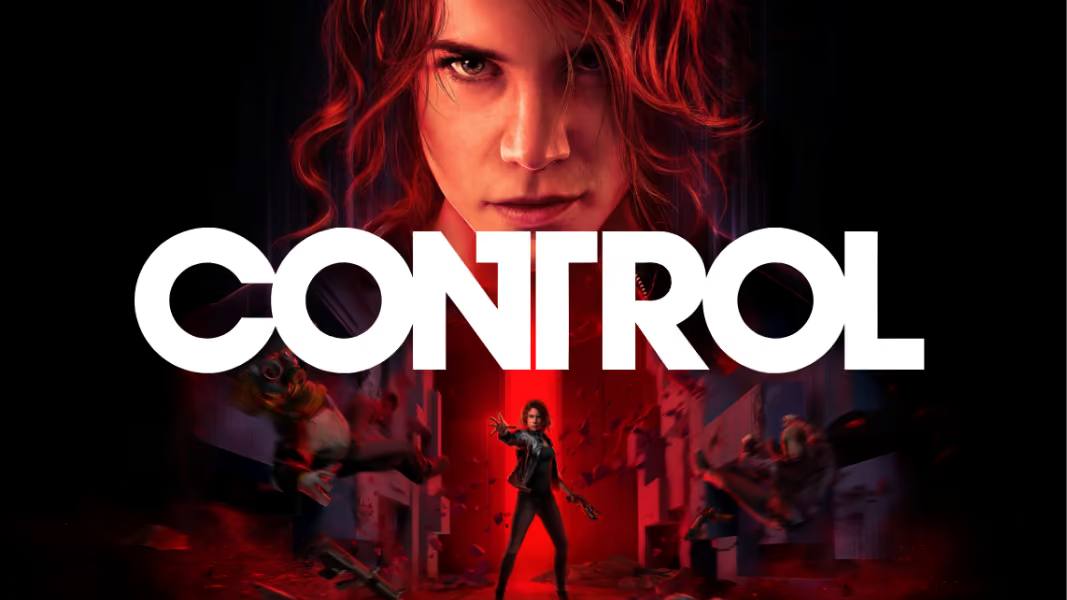
Remedy has just released Control Resonant, the sequel to their multiple game-of-the-year-award-winning 2019 action-adventure game Control, with great reviews from the likes of Vice, IGN, and the New York Times.
As we have had the lovely opportunity to work with Remedy on both games, we wanted to share some insight of the creation of the Federal Bureau of Control.
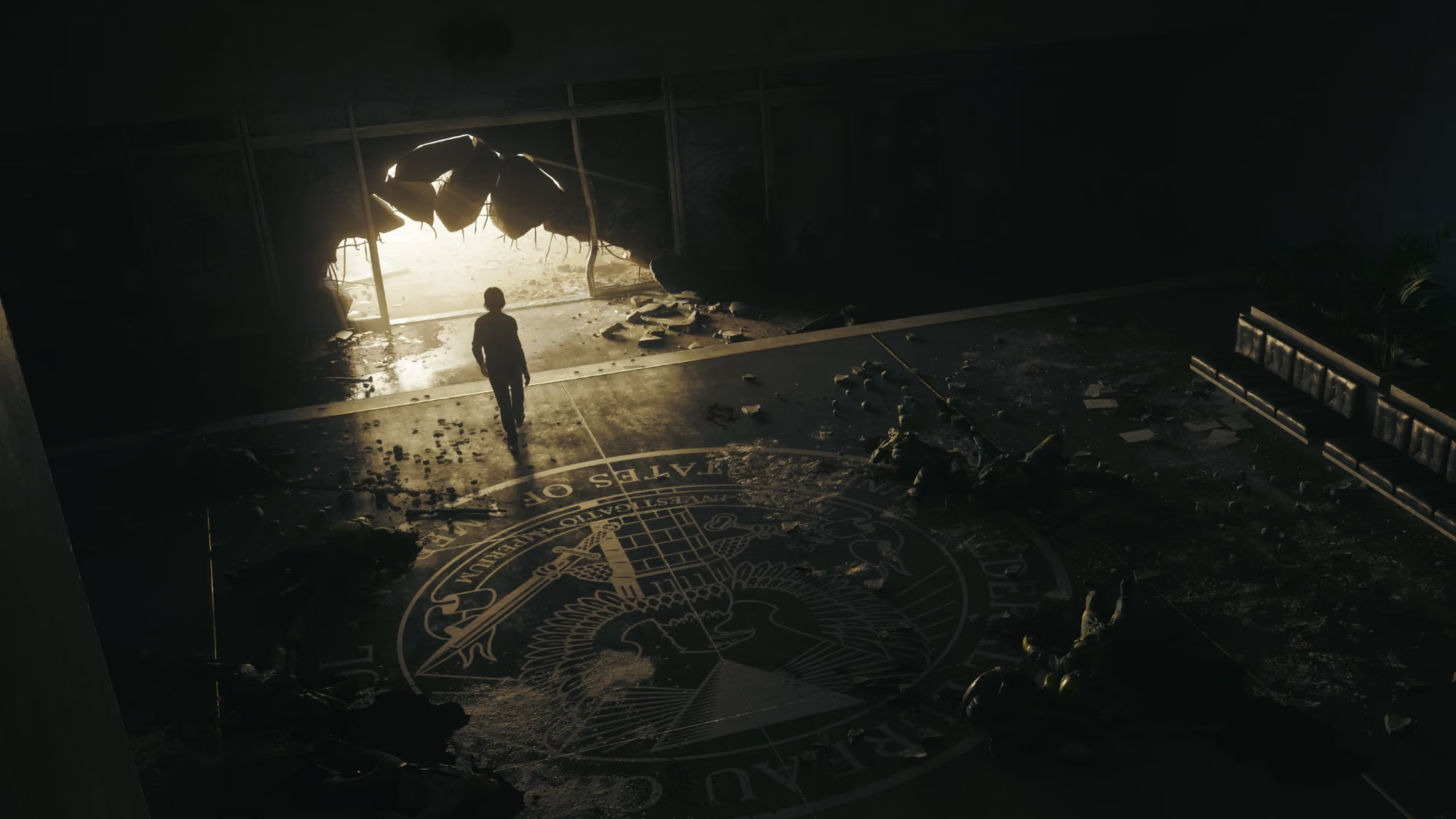
Perhaps the most well known element of the original Control is the setting itself*
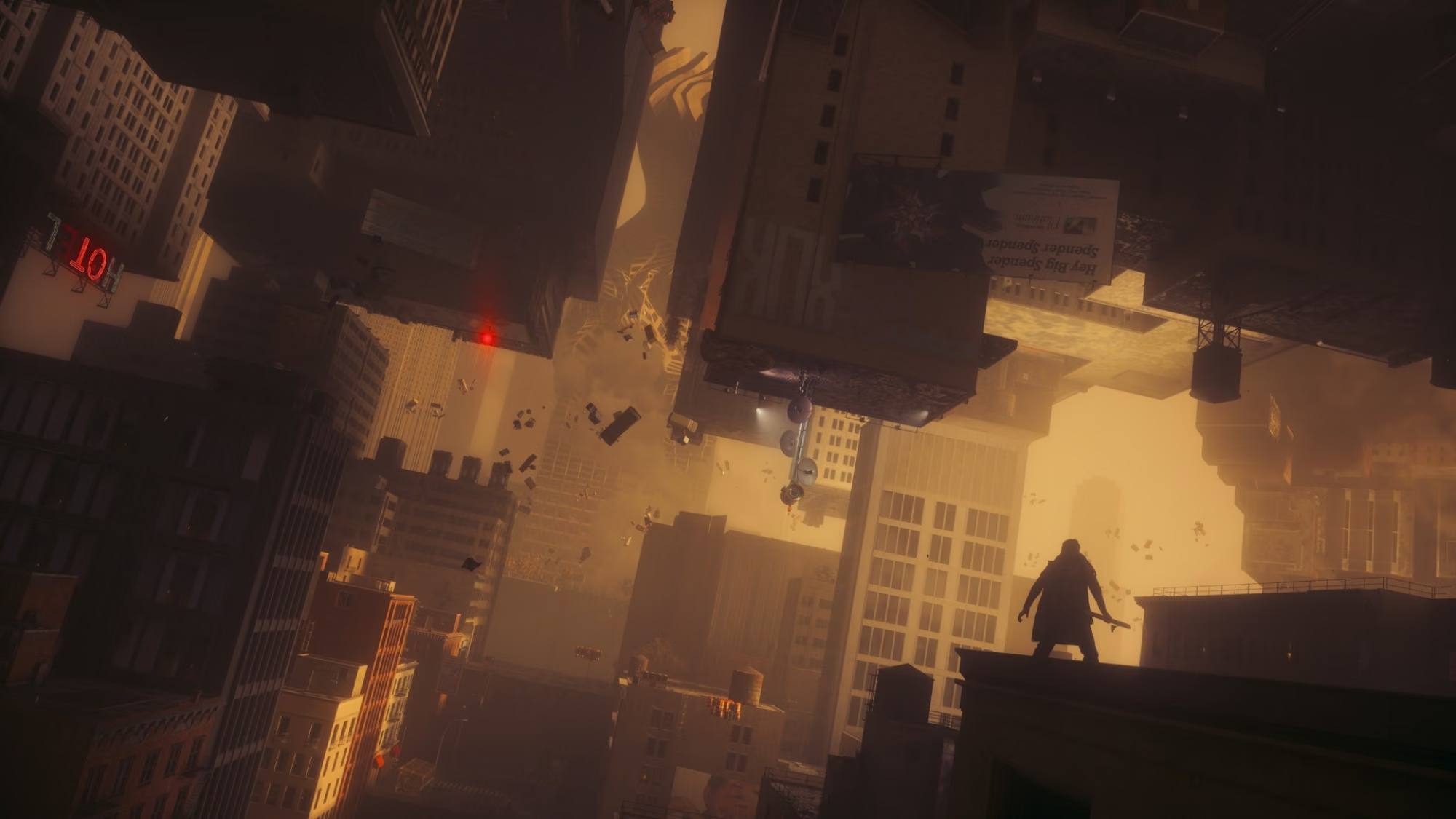
The game (mostly) takes place inside the headquarters of a fictional government agency known as the Federal Bureau of Control, located in the heart of New York City, hidden in plain sight.
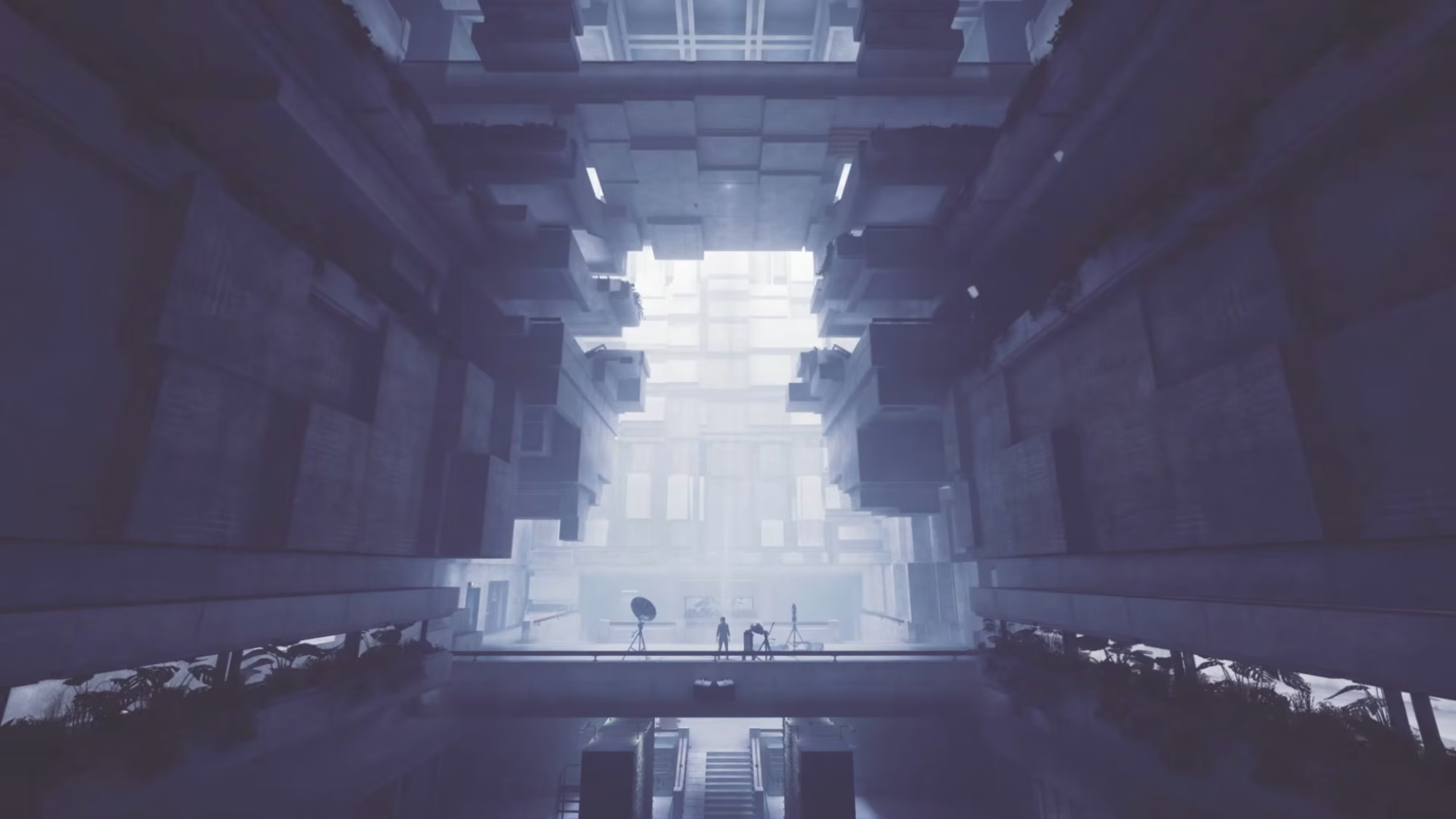
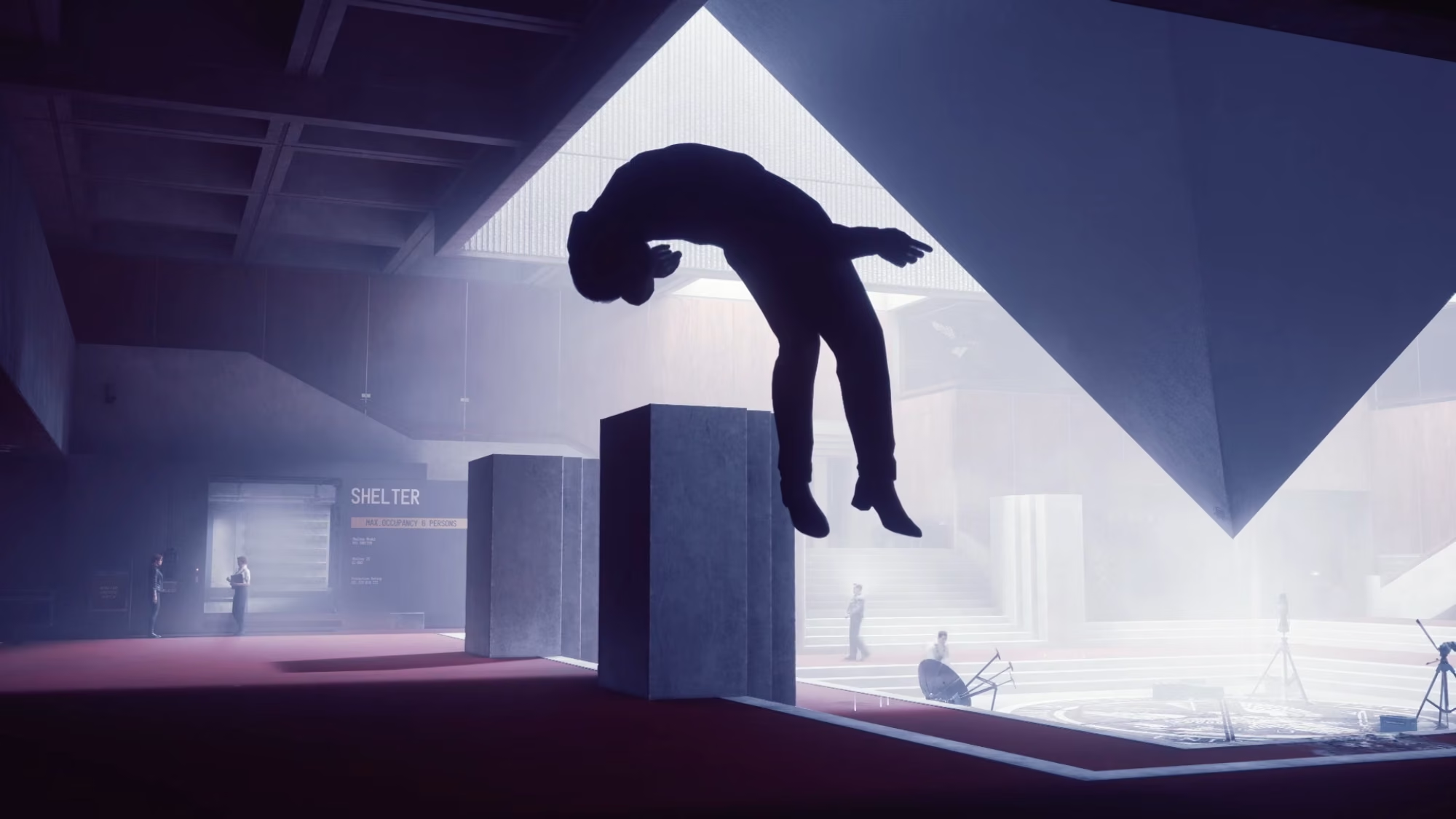
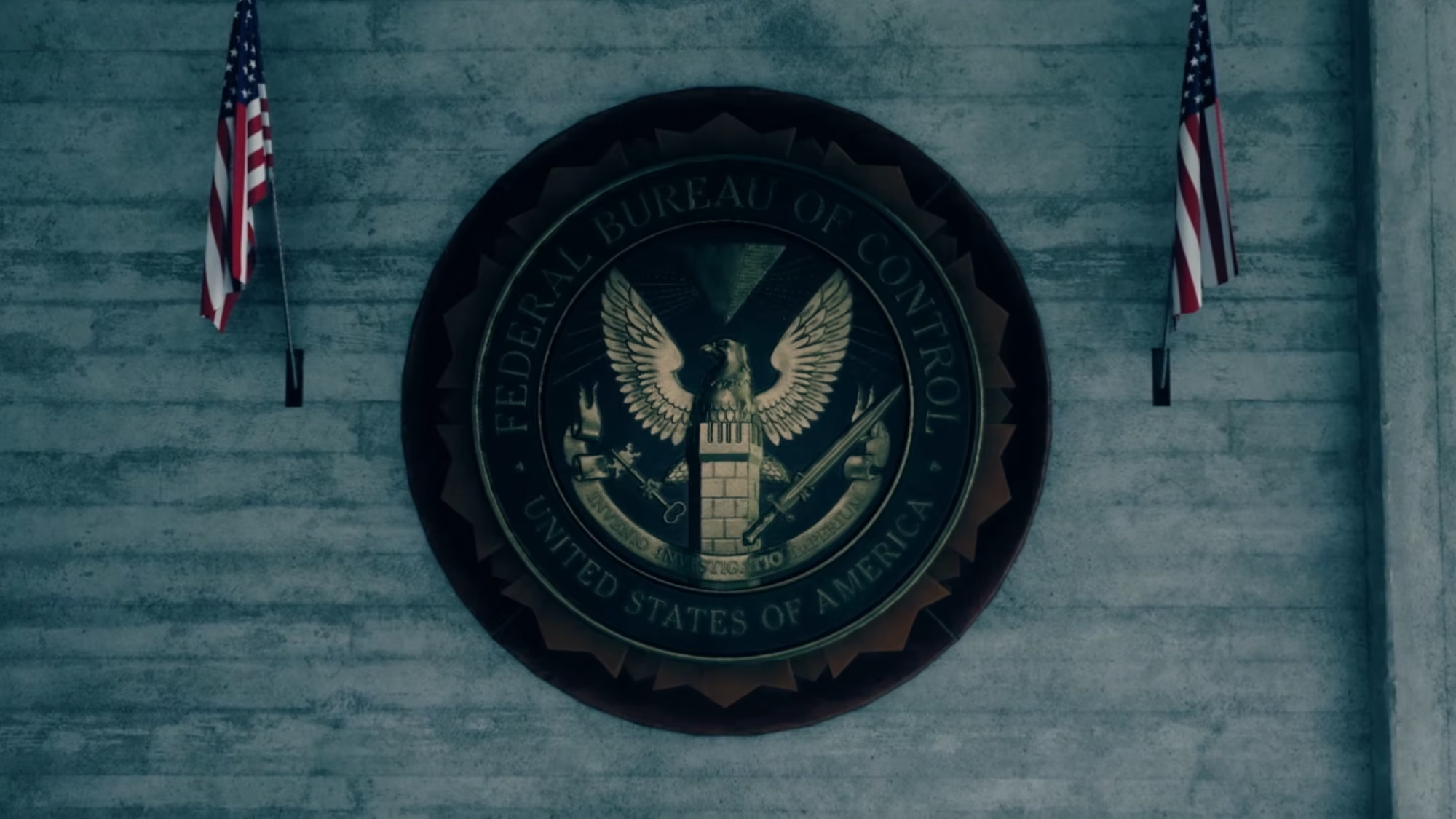
With an unique combination of the authentic and the absurd, the headquarters building and the bureau occupying it became a fan and media favorite, from the architecture and environmental storytelling to everything surrounding the FBC.
The background and story behind the Federal Bureau of Control is cryptic by design, allowing the players to discover the rich backstory and logic behind it. While we can't offer answers to the story, as it is likely only TRULY known by one person, we can take a look at the design side of things.
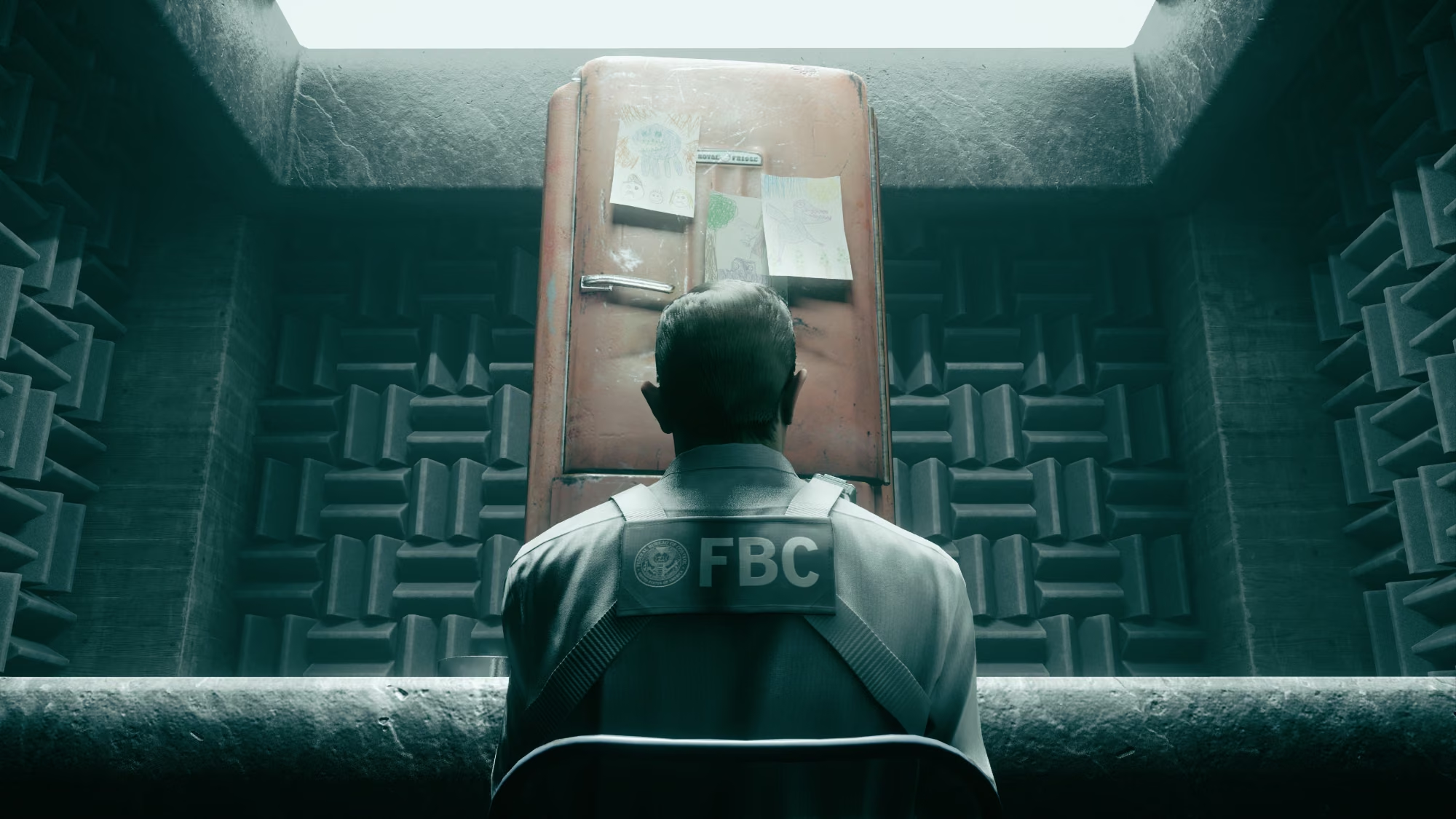
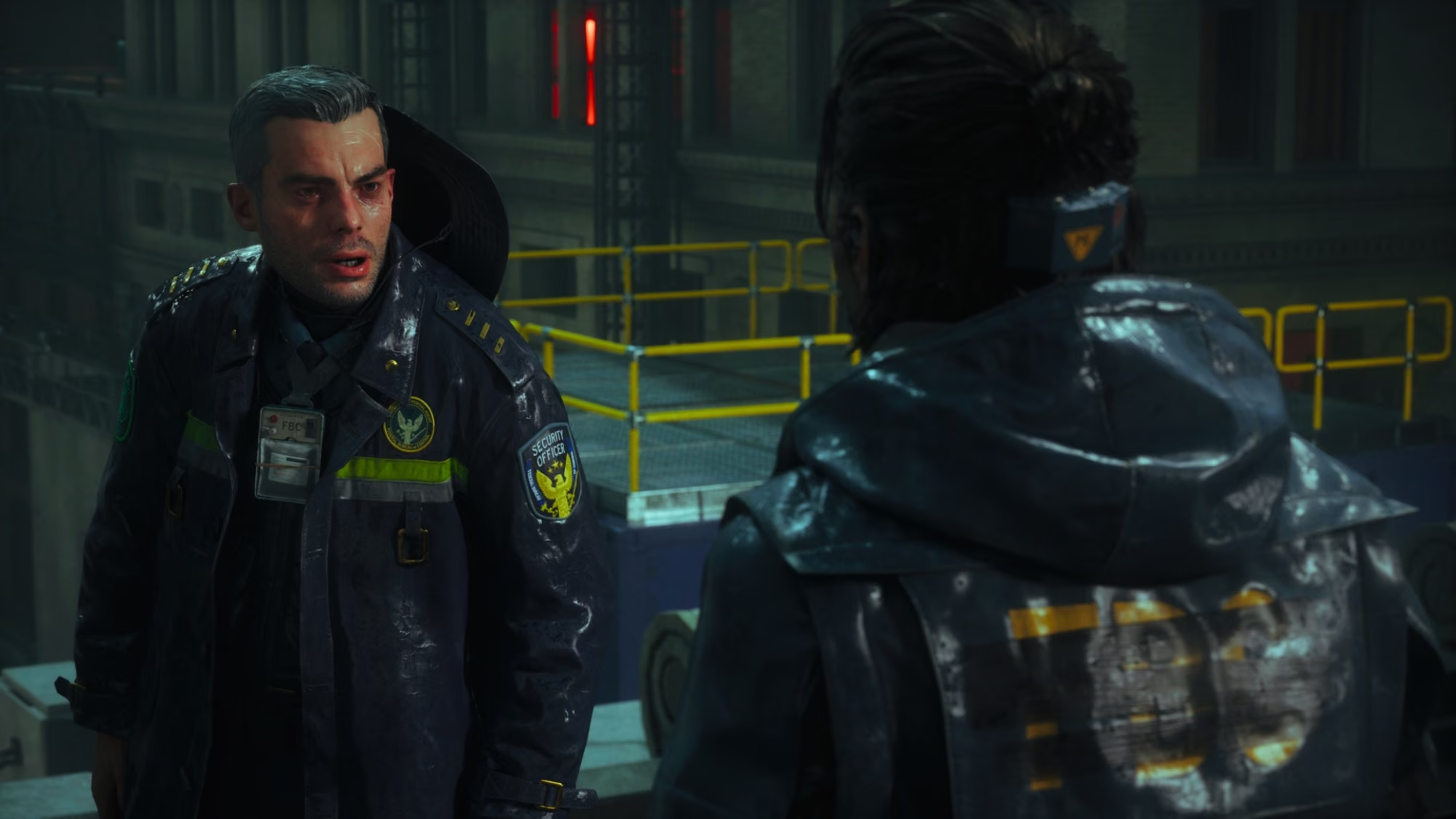
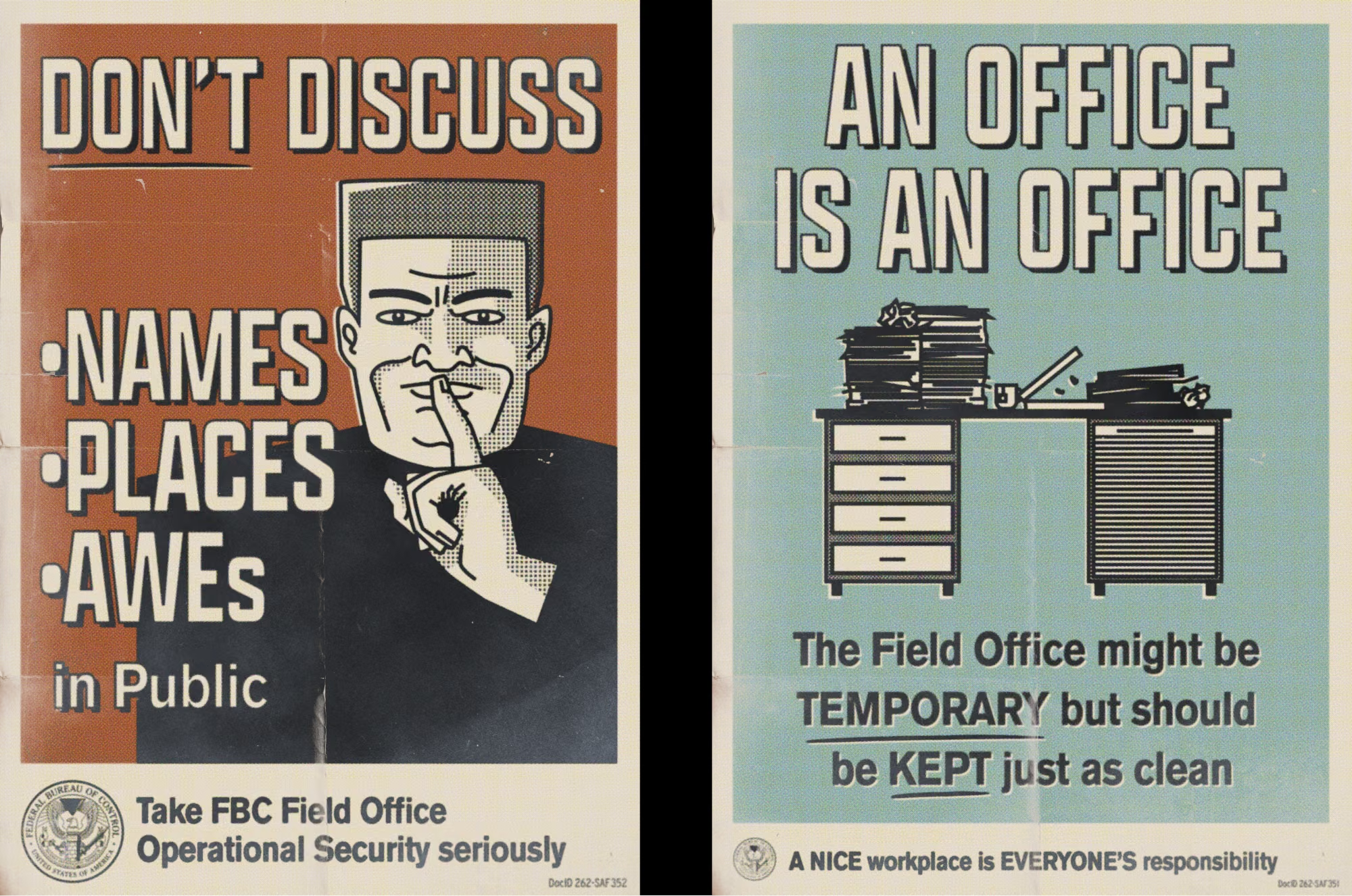
The FBC was recognised to be a critical part of the world of Control and the plan was to approach the brand of the bureau in a similarly serious manner, as we do for brands in the "real world": The end goal was to create an authentic government entity that takes itself entirely seriously.
This is of course then contrasted by the absurdity of the strange things that happen or are implied throughout the game. It’s very Finnish type of dry humor.
A fair amount of time was spent on the initial research into real United States’ government organizations, not only to find the correct visual approach but – and this was the definitely the most challenging part – change our mindsets as designers.
In our regular branding work we approach most subjects with a very Nordic minimalism but you really need to assume a role, of not just a different type of person from a different country, but a whole history of design, built on layers upon layers during decades.
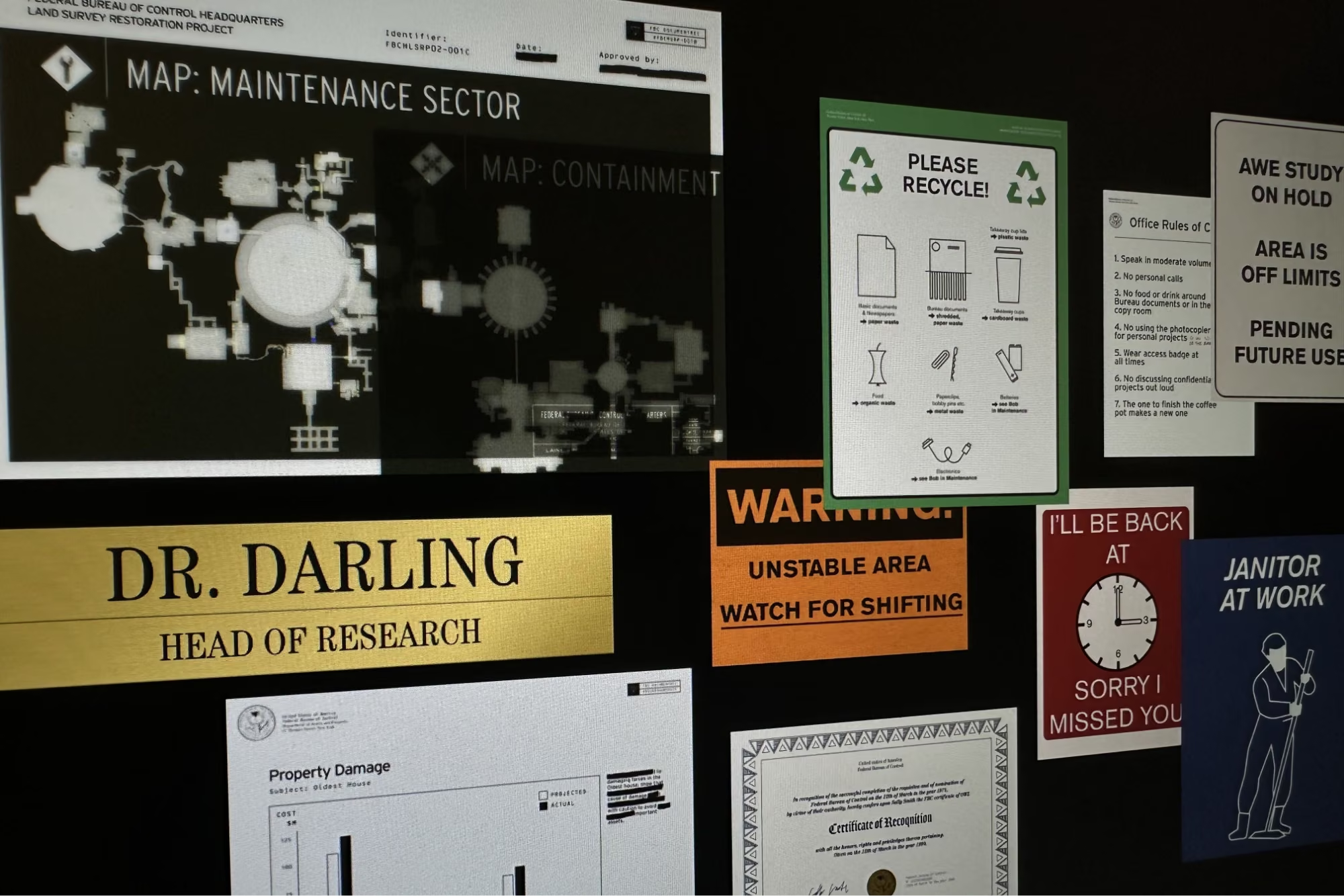
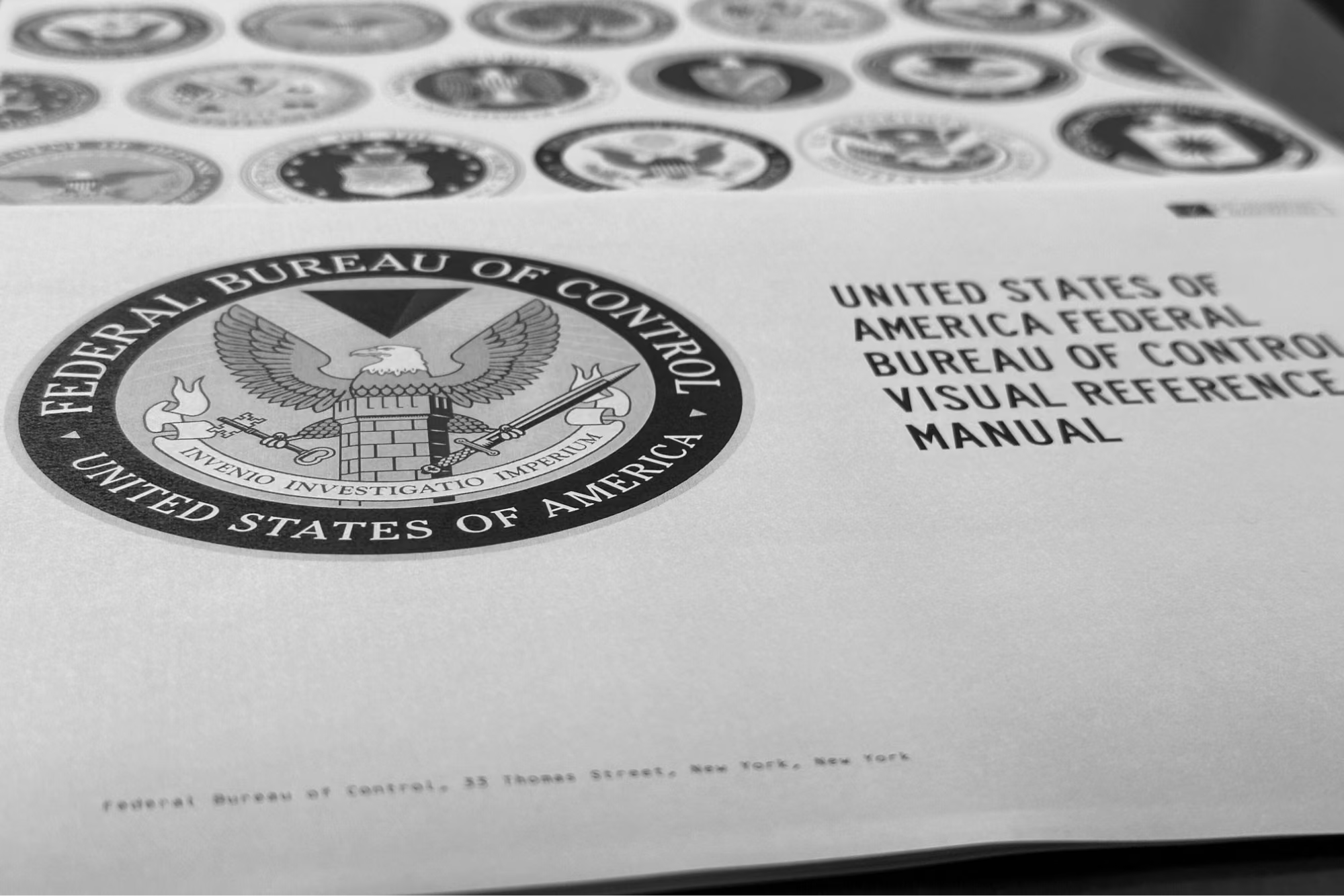
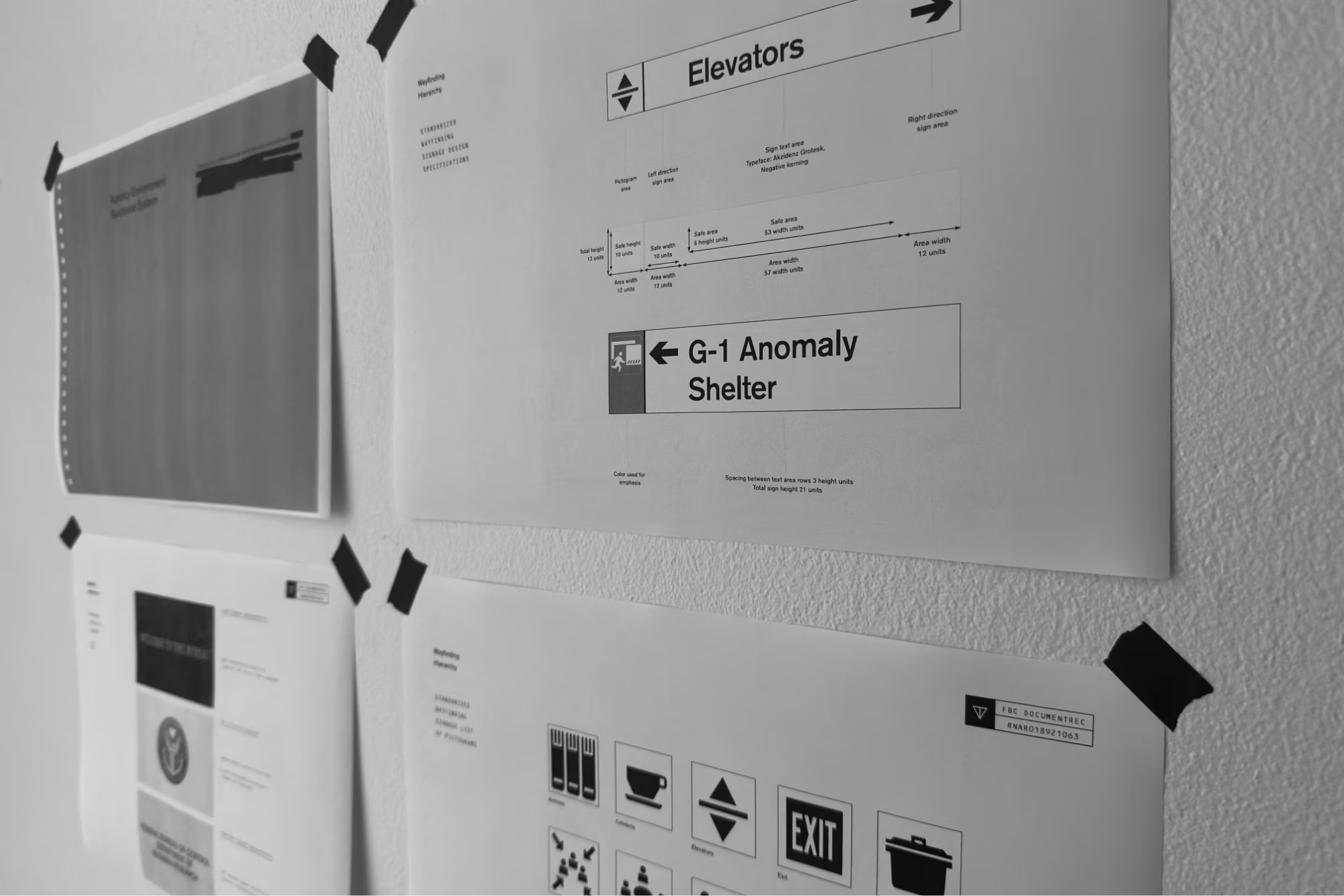
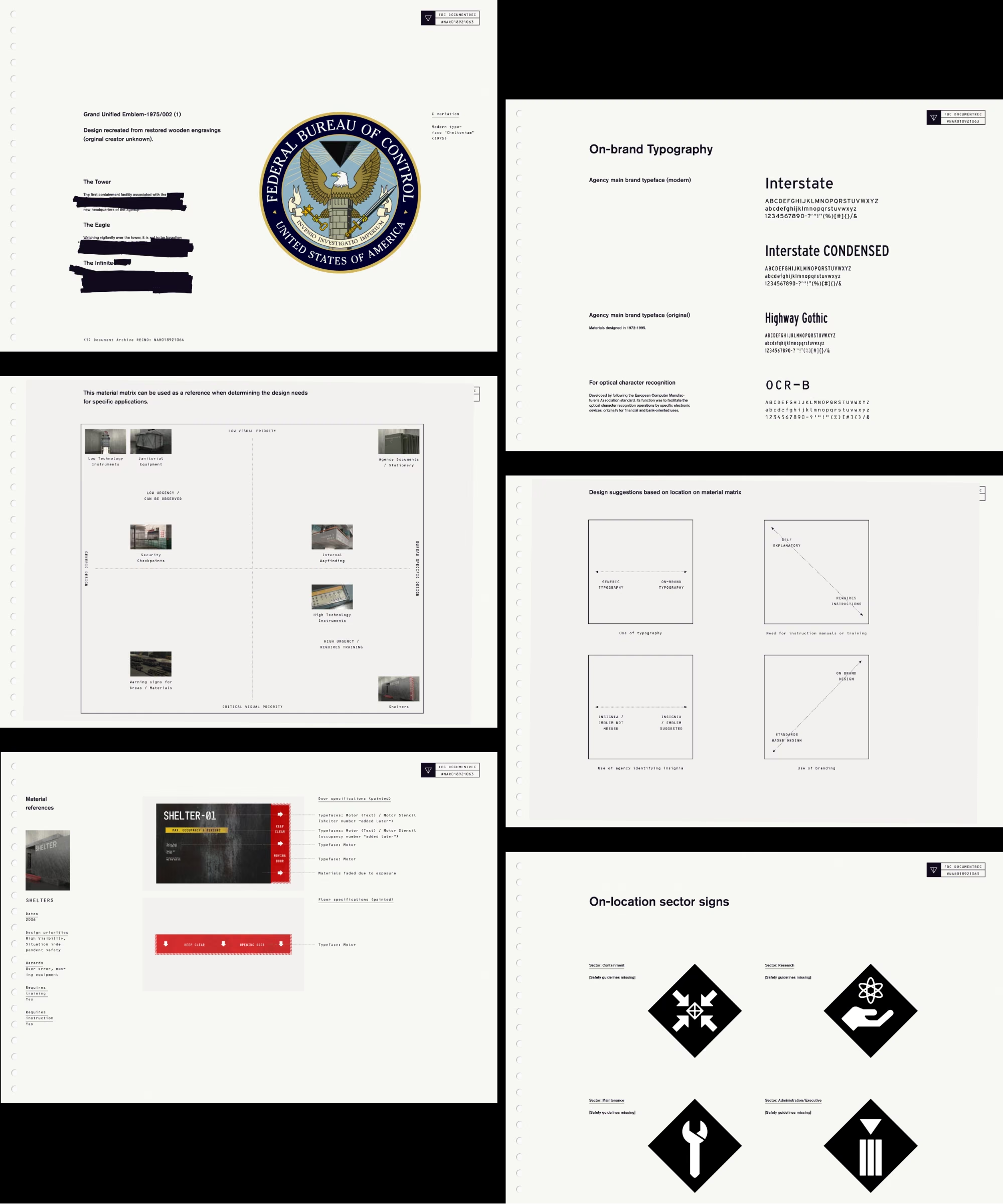
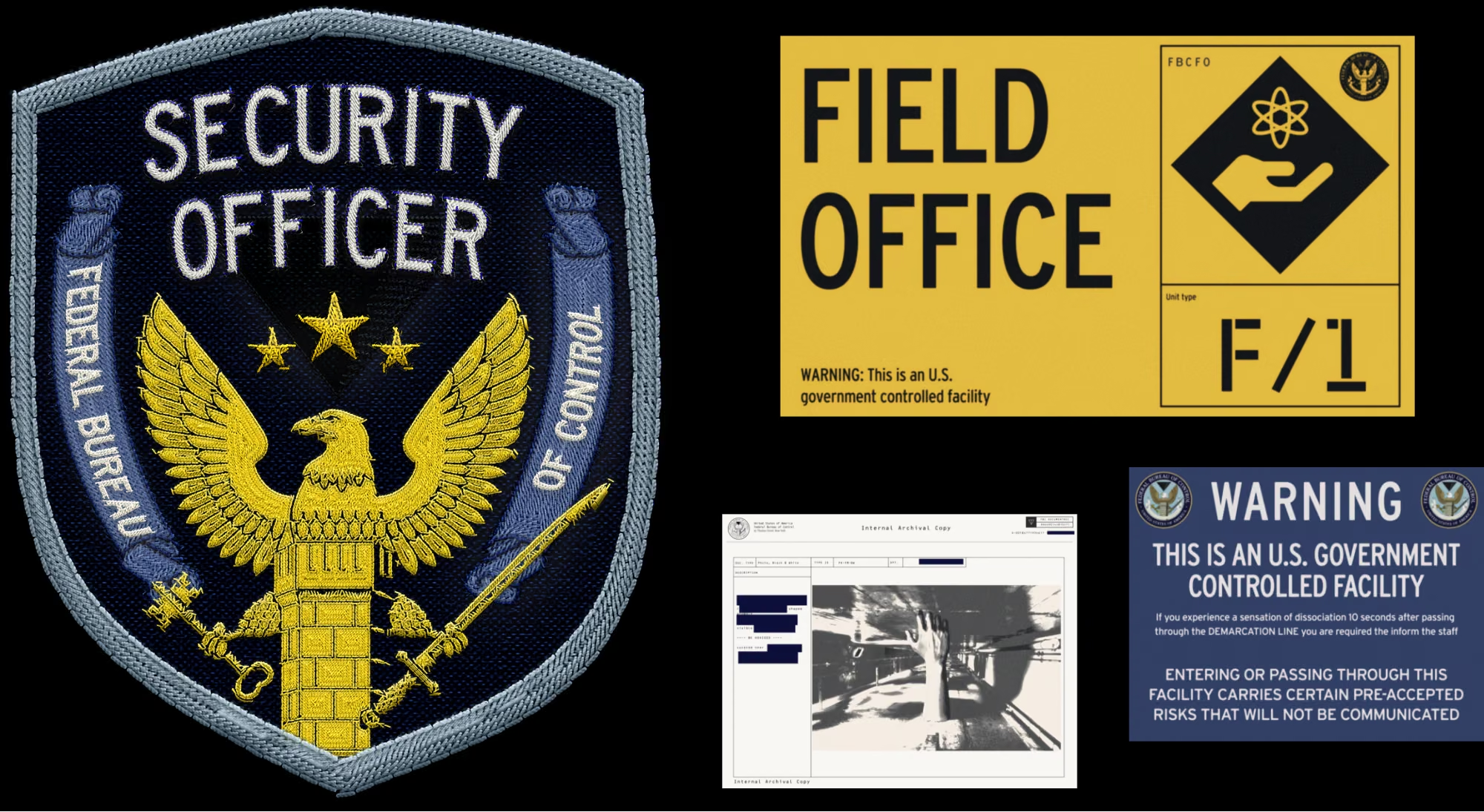
The end result, in addition to the hundreds of assets we designed, was a brand book that describes everything within the Federal Bureau of Control, with definitions for the agency emblem, documents, signs and tools.
These type of design documents are of course entirely common in game design but the FBC documentation goes quite far in defining period correct typography and the printing process of documents from different eras of the bureau.
Does including this level of detail really matter in the scope of the development?
Well, yes and no.
With how many people are part of the development of a game of this scale, it would be disingenuous to claim that these details affect the end product in a measurable way.
But we do believe that for the team, having access to a document that they can offload a part of the mental process in the creation of the game world, is an advantage.
An even larger benefit of spending this time and resources in creating the foundation is allowing future games build on it.
Remedy's next big release, Alan Wake II had us return in the world of FBC in the form of an expansion, The Lake House, that seamlessly connects the two worlds and leverages the work done to continue telling the bureau's story.
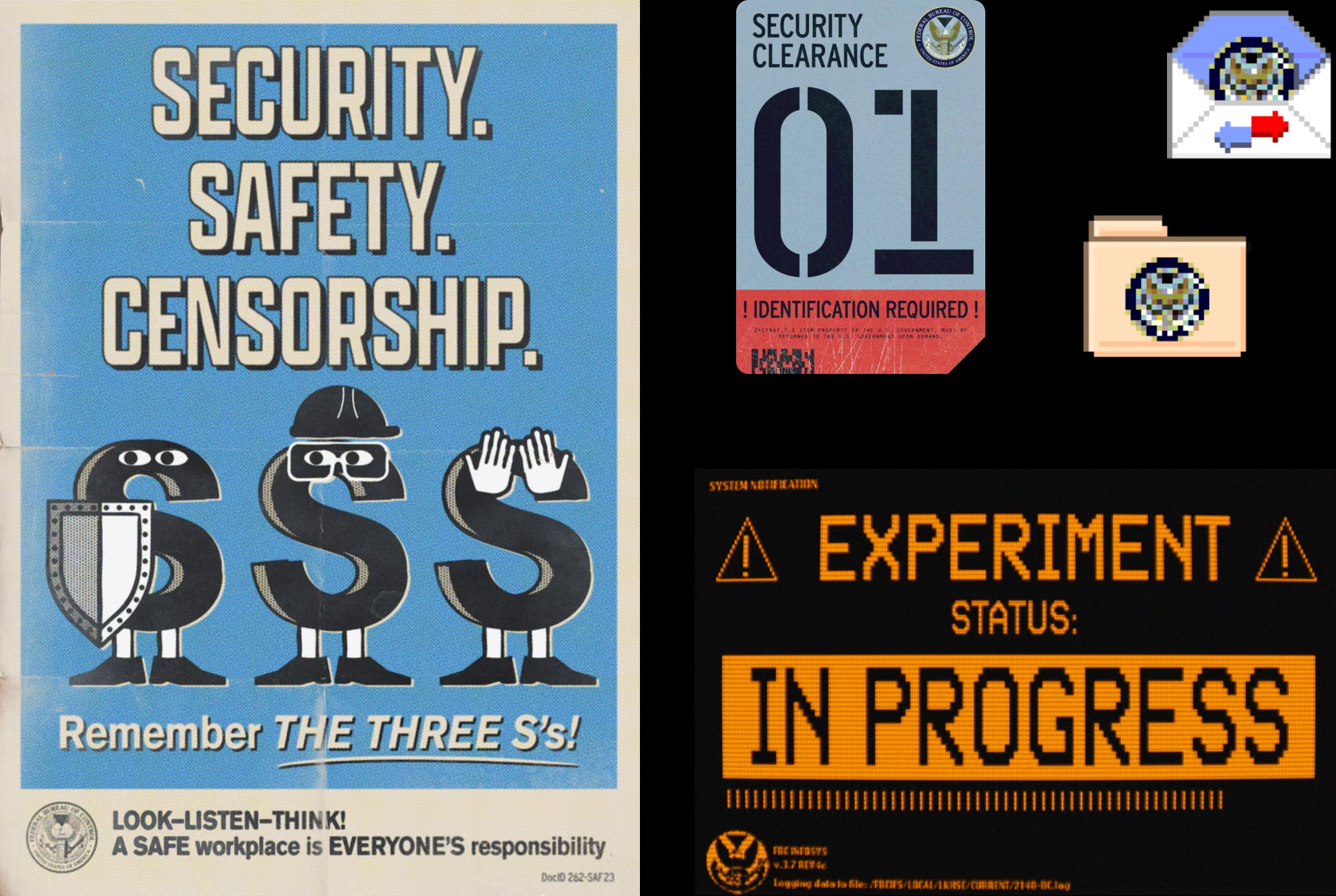
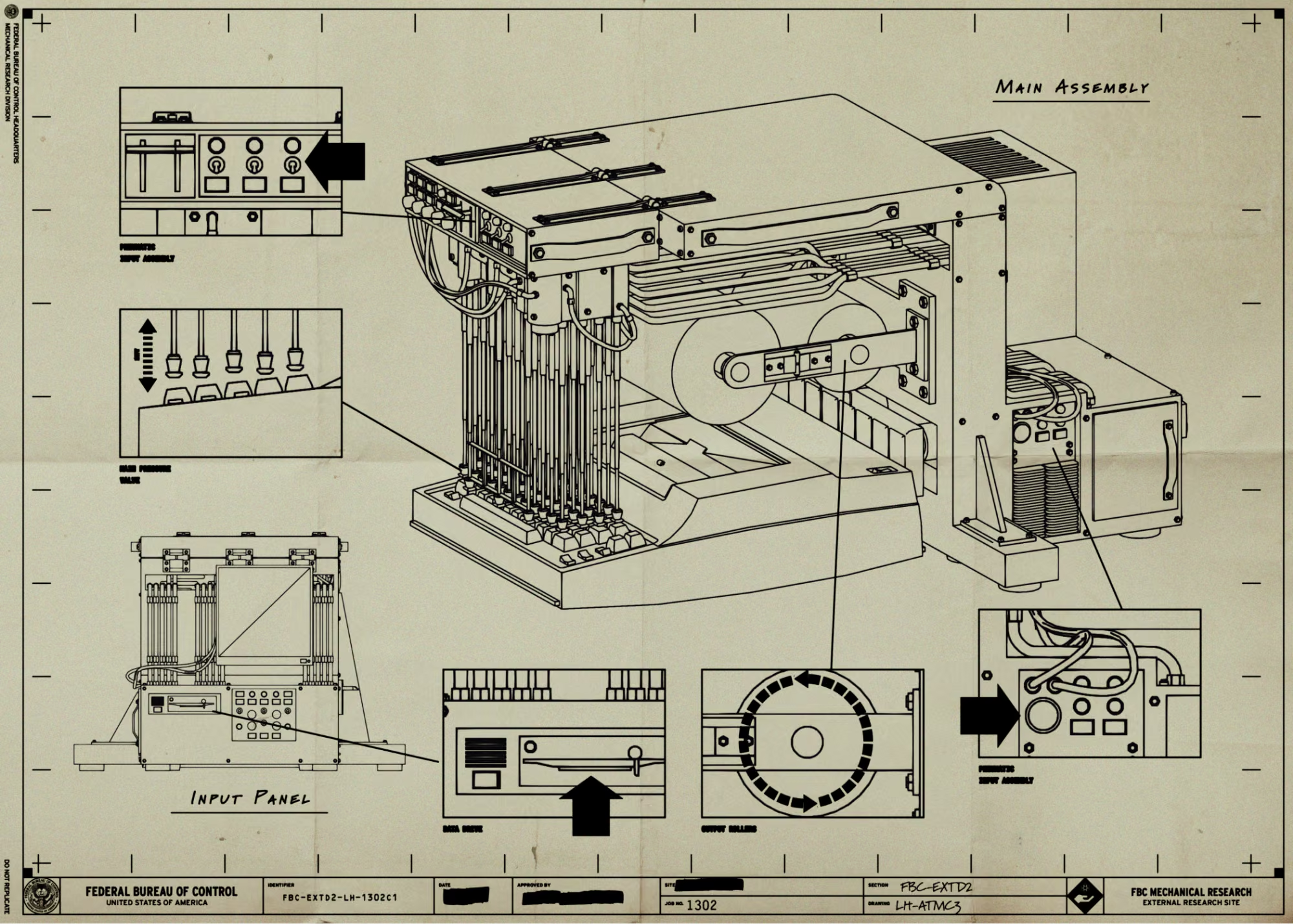
And as was expected, the Federal Bureau of Control returns in Control Resonant. While the headquarters building is playing a smaller part in the sequel, the bureau as an entity remains as a connection between the games, again building on the foundation of the original game.
In the end Control remains as a great example that sometimes initial effort can stand the test of time and create value long into the future.
We will have a closer look at the work done in Control Resonant a bit later but you can check out some other visuals in our case study for Control and a very different type (but still Remedy-like) take on New York in our Alan Wake II case: